Your Cart is Empty

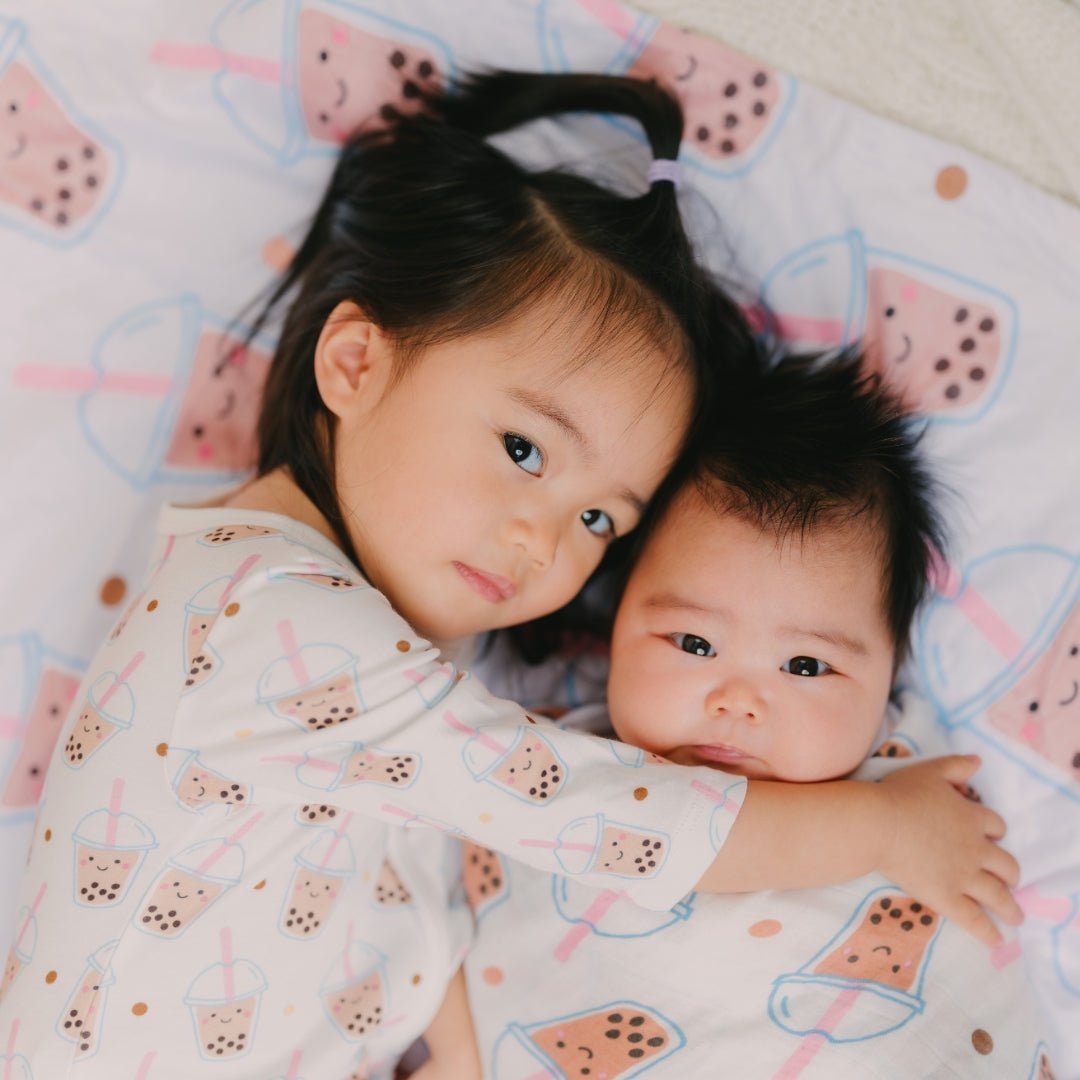

The Ultimate Guide to Buying Baby Clothes: How Much Does Your Baby Actually Need?
Welcoming a new baby is one of life’s most joyful milestones, but it also brings a long list of decisions, especially when it comes to choosing baby clothes. New parents often find themselves wondering,How many baby clothes does a newborn really need? orShould I buy more newborn sizes or skip ahead to 0–3 months?
A well-planned, thoughtful baby wardrobe reduces stress, saves money, and keeps your little one comfortable. Studies show that newborns may require 8 to 12 outfit changes a day due to drool, spit-up, or diaper mishaps, depending on feeding patterns and reflux frequency. With that in mind, this newborn clothes checklist combines expert-backed recommendations, practical parenting insights, and gentle, eco-conscious product suggestions.
This guide includes the essential quantities, fabric considerations, and smart buying strategies every parent needs.

Onesies and Bodysuits
Recommended: 5–7 per size
Onesies are the foundation of your baby’s wardrobe. They’re soft, secure, and ideal for layering. Because newborn skin is delicate, dermatologists consistently emphasize choosing gentle fabrics like organic cotton to minimize irritation and help regulate temperature naturally.
Practical Tips
Choose Snap Closures: Designs with snap buttons, likeThe Wee Bean’s organic cotton onesies, make diaper changes easier, especially at night.
Mix and Match Smartly: Neutral tones and versatile prints pair well with any pants or leggings, letting you stretch each outfit further.
Buy Multiple Sizes: Babies commonly outgrow newborn size within 2 to 6 weeks. Include several pieces in 0–3 months, so you’re not caught unprepared.
Think Seasonally: Short sleeves for warmer months, long sleeves for cooler temperatures.
Sleepwear
Recommended: 3–5 pieces
The right sleepwear helps your baby rest more comfortably, and helpsyou enjoy smoother nights. Safe sleep guidelines from the American Academy of Pediatrics recommend dressing babies in lightweight, breathable layers and avoiding loose blankets, which can increase the risk of overheating and SIDS.

Practical Tips
Prioritize Safety: Avoid hoods, bulky layers, or any small parts that could loosen.
Choose Breathable Fabrics: Organic bamboo blend swaddlesare naturally moisture-wicking and temperature regulating, ideal for sensitive skin and humid climates.
Make Night Changes Easier: Zippered pajamas or areversible zipper romper with foldable mitts and built-in footies eliminate the frustration of fumbling with buttons during 2 a.m. diaper changes.
Outerwear
Recommended: 1–2 pieces
Outerwear needs depend heavily on the climate. Babies lose heat faster than adults, so proper layering helps protect them without overheating.
Practical Tips
Layer Thoughtfully: A lightweight cardigan may be enough in subtropical climates like Hong Kong, while cooler regions require insulated jackets.
Pick User-Friendly Designs: Zippers that glide smoothly and simple snaps reduce fussing, especially when holding a squirmy infant.
Size Up Carefully: Babies grow rapidly between 3 and 9 months. Choosing a slightly larger jacket can extend wear through a full season.
Bibs
Recommended: 5–7 bibs
Bibs keep clothes clean during feedings and protect sensitive skin from saliva during drooling phases. Excessive drooling, particularly during teething, can lead to irritation or drool rash, making absorbent fabrics essential.

Practical Tips
Choose Absorbent Layers:The Wee Bean’s organic cotton bibs are lined with an extra layer of light fleece to keep moisture off your baby’s chest.
Mix Styles: Traditional bibs are ideal for feeds, while bandana-style bibs work perfectly for stylish everyday drool protection.
Avoid Velcro: It tends to catch on clothes in the wash. Adjustable snaps are more durable and parent-friendly.
Socks and Booties
Recommended: 4–6 pairs
Even in warm environments, socks help regulate your baby’s body temperature and protect their tiny toes.
Practical Tips
Choose Comfortable Materials: Cotton or wool blends keep feet warm without overheating.
Pick Stay-On Designs: Look for ribbed cuffs, elastic bands, or “stay-put” technology to prevent constant lost socks.
Simplify With Footies: If loose socks drive you crazy, opt for rompers with built-in footies or fold-over flaps.
T-Shirts and Pants
Recommended: 3–5 of each
These staples are perfect for outings, tummy time, and layered dressing as your baby grows more active.
Practical Tips
Soft, Stretchy Waistbands: These maximize comfort while making diaper changes easier.
Layer Nicely: Use T-shirts under sweaters or overalls to adjust easily to changing weather.
Choose Durable Fabrics:Organic cotton tops and pants hold their shape better after multiple washes and are gentler on reactive or eczema-prone skin.
Planning for Growth
Babies grow astonishingly fast. According to the Mayo Clinic, infants typically double their birth weight by 5 months and triple it by their first birthday. This rapid growth makes planning ahead essential.
Smart Growth Tips
Stock the Next Size: Always size up when shopping for new clothes, even before your baby outgrows their current size.
Keep Receipts and Tags: Babies sometimes skip an entire size range unexpectedly.
Invest in Quality: High-quality organic fabrics last longer, hold-up through heavy washing, and can be passed down to siblings or friends.
Be Seasonal-Smart: Don’t buy too many cold-weather items if your baby will size-up when the weather warms, and vice versa.
Your Complete Newborn Clothes Checklist
This quick-reference list is perfect for printing or saving to your phone.
|
Clothing Item |
Quantity Needed |
Notes |
|
Onesies/Bodysuits |
5–7 per size |
Organic cotton recommended, snap closures |
|
Sleepwear |
3–5 pieces |
Breathable fabrics, zippered rompers |
|
Outerwear |
1–2 pieces |
Layer-friendly, weather-appropriate |
|
Bibs |
5–7 |
Absorbent, snap closures |
|
Socks/Booties |
4–6 pairs |
Stay-on features or built-in footies |
|
T-shirts |
3–5 |
Lightweight, breathable |
|
Pants |
3–5 |
Elastic waistbands for comfort |
This newborn clothes checklist covers your baby’s needs without creating overwhelm or unnecessary clutter. Starting with essentials gives you time to learn your baby’s habits, and their wardrobe preferences, as you go.
Final Thoughts
Building the right newborn wardrobe doesn’t have to be confusing or expensive. By focusing on high-quality essentials, leaning on breathable organic fabrics, and planning ahead for rapid growth, you’ll create a wardrobe that keeps your baby comfortable, safe, and stylish.
The goal is not to accumulate piles of clothing; it’s to choose the right pieces that make everyday parenting smoother. With thoughtful items like The Wee Bean’s organic onesies, bamboo swaddles, absorbent bibs, and soft rompers, you can feel confident you’re making choices that support your baby’s comfort and skin health while minimizing waste.
FAQ
How many baby clothes does a newborn need?
Most newborns need 5–7 onesies, 3–5 sleepers, 4–6 socks, 5–7 bibs, and a few tops and pants. This covers daily outfit changes while keeping clutter minimal.
Should I buy more newborn size or 0–3 months?
Buy a small amount of newborn size and more 0–3 months, since babies often outgrow newborn pieces in 2 to 6 weeks.
What fabrics are best for newborn clothes?
Organic cotton and bamboo are recommended for sensitive baby skin because they are breathable, hypoallergenic, and temperature-regulating.
How many outfits will my baby go through each day?
Newborns may go through 8–12 outfit changes daily, depending on feeding patterns and diaper leaks.
What clothing items should I avoid for newborns?
Avoid anything with rough seams, scratchy tags, loose buttons, hoods for sleep, or synthetic fabrics that trap heat.
Leave a comment
Comments will be approved before showing up.
Also in Latest Blog Posts

Bean of the Month - August 2026
Meet Kylia, our 4‑month‑old August Bean of the Month from sunny Singapore! Don’t miss her mum’s pick of a favourite spot in Singapore, plus her heartfelt advice on navigating motherhood in a bustling city.


Baby Hunger Cues vs. Tired Cues: How to Tell What Your Baby Needs
Newborns cannot tell you whether they need milk, sleep, comfort, or a break from stimulation - but their bodies give clues. This parent-friendly guide explains how to tell the difference between baby hunger cues and tired cues, what to do when the signs overlap, and how to respond with more confidence.

Bean of the Month - June 2026
Meet our April Bean of the Month, Ivy a 5‑month‑old darling from California! Don’t miss how her mom manages family time while caring for each child individually. Dive in for her heartfelt advice and a peek into Ivy’s sweet, playful world.