Your Cart is Empty

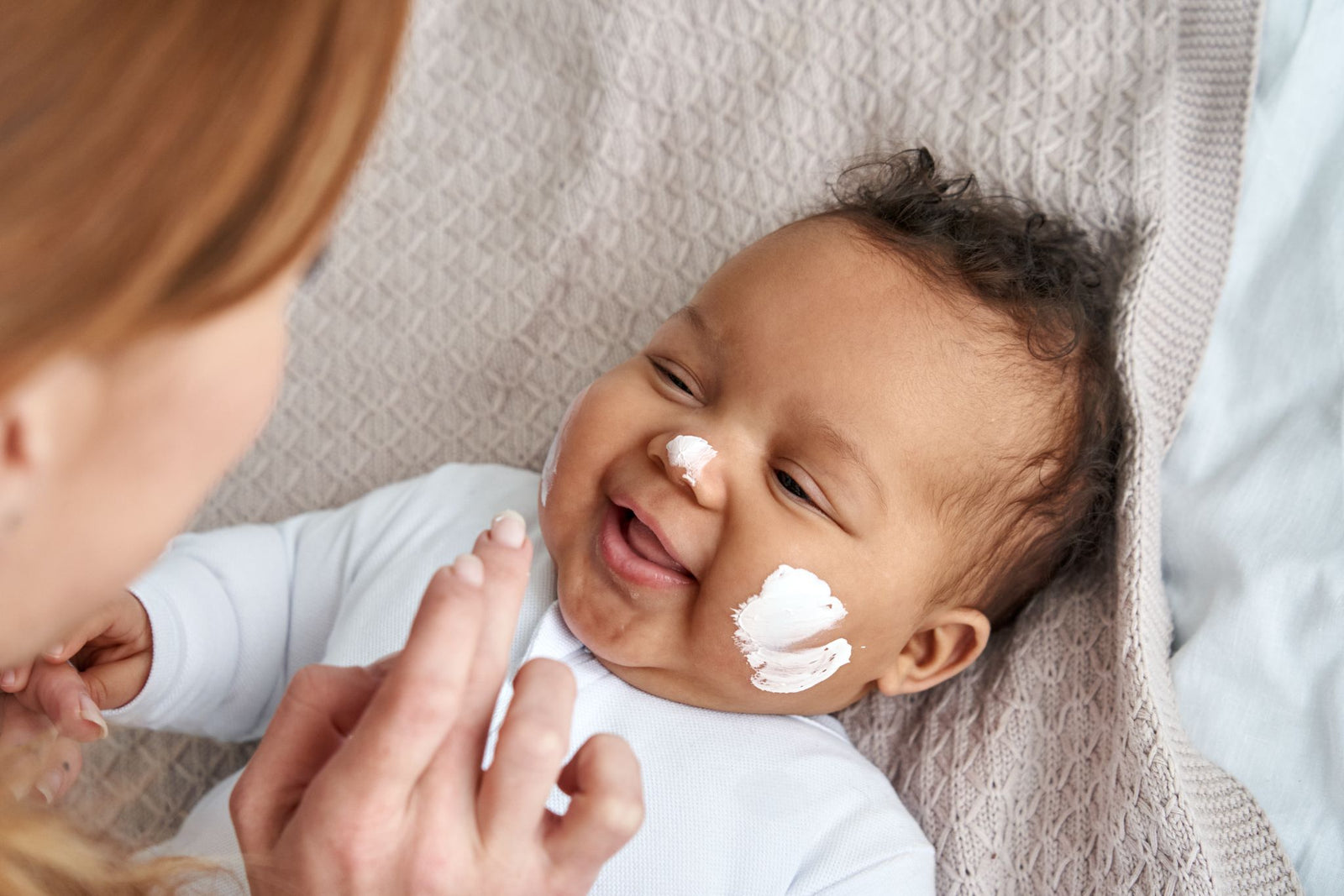

6 Common Myths About Baby Eczema

Nearly one in 10 babies experience eczema, or atopic dermatitis, during their first year of life. While this skin condition can seem alarming and cause a lot of discomfort for your baby, there are a lot of myths about eczema that simply aren't true — these are six of the most common ones:
Myth #1: "Eczema is caused by stress"
According to the National Eczema Society, eczema is not an allergic reaction, but rather a "non-contagious, inflammatory dry skin condition" that can be caused by any number of internal or environmental factors. It's not just caused by stress.
Myth #2: "Eczema is contagious"
Although eczema is fairly common in infants and toddlers, it's not contagious. This means that eczema isn't spread through human contact or surfaces.
Myth #3: "Skipping baths will help clear your baby's skin"
Actually, many experts say bathing your child regularly in lukewarm water can actually help soothe eczema. You can also dry them off and apply moisturiser directly after bath time to help maintain skin moisture. However, you should avoid strong soaps or bath products with fragrances or additives.
Myth #4: "There's no treatment for your baby's eczema"
There are actually several natural remedies that will help provide relief and minimize flare-ups. These remedies include items like coconut oil, oatmeal baths, and organic cotton clothing.
Myth #5: "Topical steroids aren't safe for treating your baby's eczema"
While some topical steroids aren't recommended for children, there are some low-potency steroids available that are completely safe for your baby's skin. However, always consult your child's paediatrician before trying any eczema treatment methods.
Myth #6: "Your baby will have eczema for life"
The American Academy of Pediatrics says many infants and toddlers see decreases in flare ups by the time they reach kindergarten. Unfortunately, there's no way to predict if your child's eczema will clear up with time or not, so it's best to just treat it as best as you can to minimize your child’s discomfort.
Baby eczema can be difficult for new parents, but it's not impossible to manage. By educating yourself and following your doctor's recommendations, you and your baby should be just fine.
Leave a comment
Comments will be approved before showing up.
Also in Latest Blog Posts
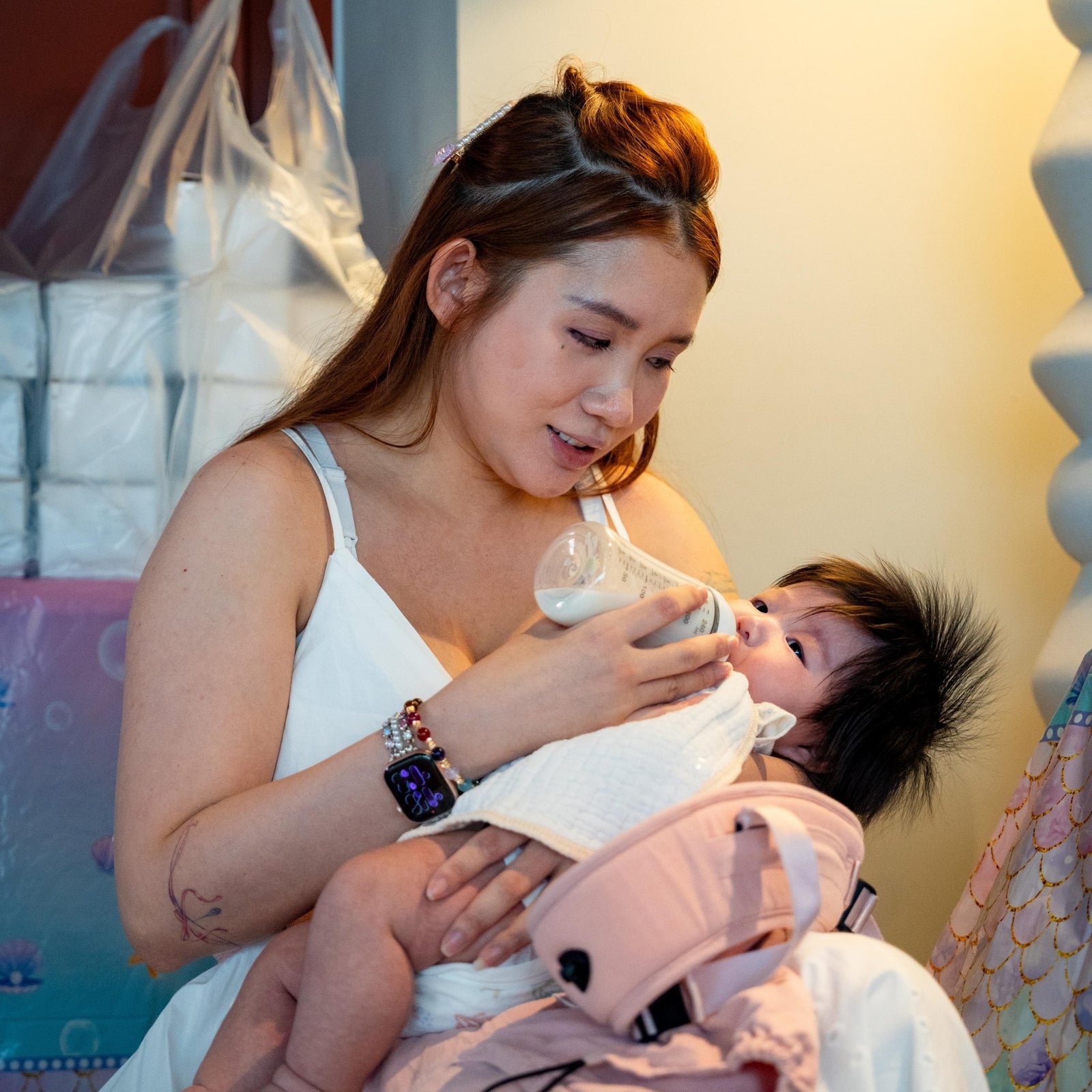

Bean of the Month - August 2026
Meet Kylia, our 4‑month‑old August Bean of the Month from sunny Singapore! Don’t miss her mum’s pick of a favourite spot in Singapore, plus her heartfelt advice on navigating motherhood in a bustling city.


Baby Hunger Cues vs. Tired Cues: How to Tell What Your Baby Needs
Newborns cannot tell you whether they need milk, sleep, comfort, or a break from stimulation - but their bodies give clues. This parent-friendly guide explains how to tell the difference between baby hunger cues and tired cues, what to do when the signs overlap, and how to respond with more confidence.
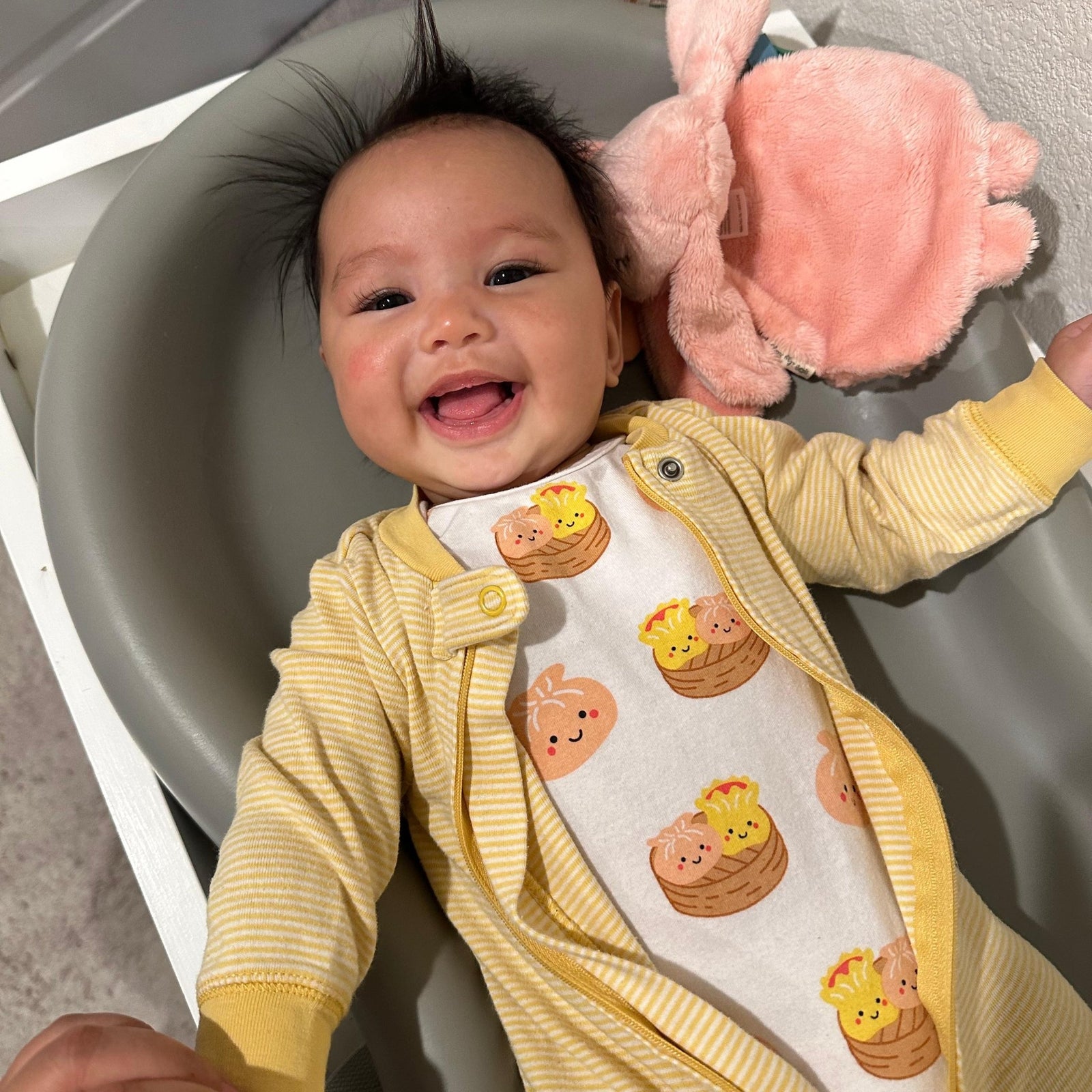

Bean of the Month - June 2026
Meet our April Bean of the Month, Ivy a 5‑month‑old darling from California! Don’t miss how her mom manages family time while caring for each child individually. Dive in for her heartfelt advice and a peek into Ivy’s sweet, playful world.