Your Cart is Empty

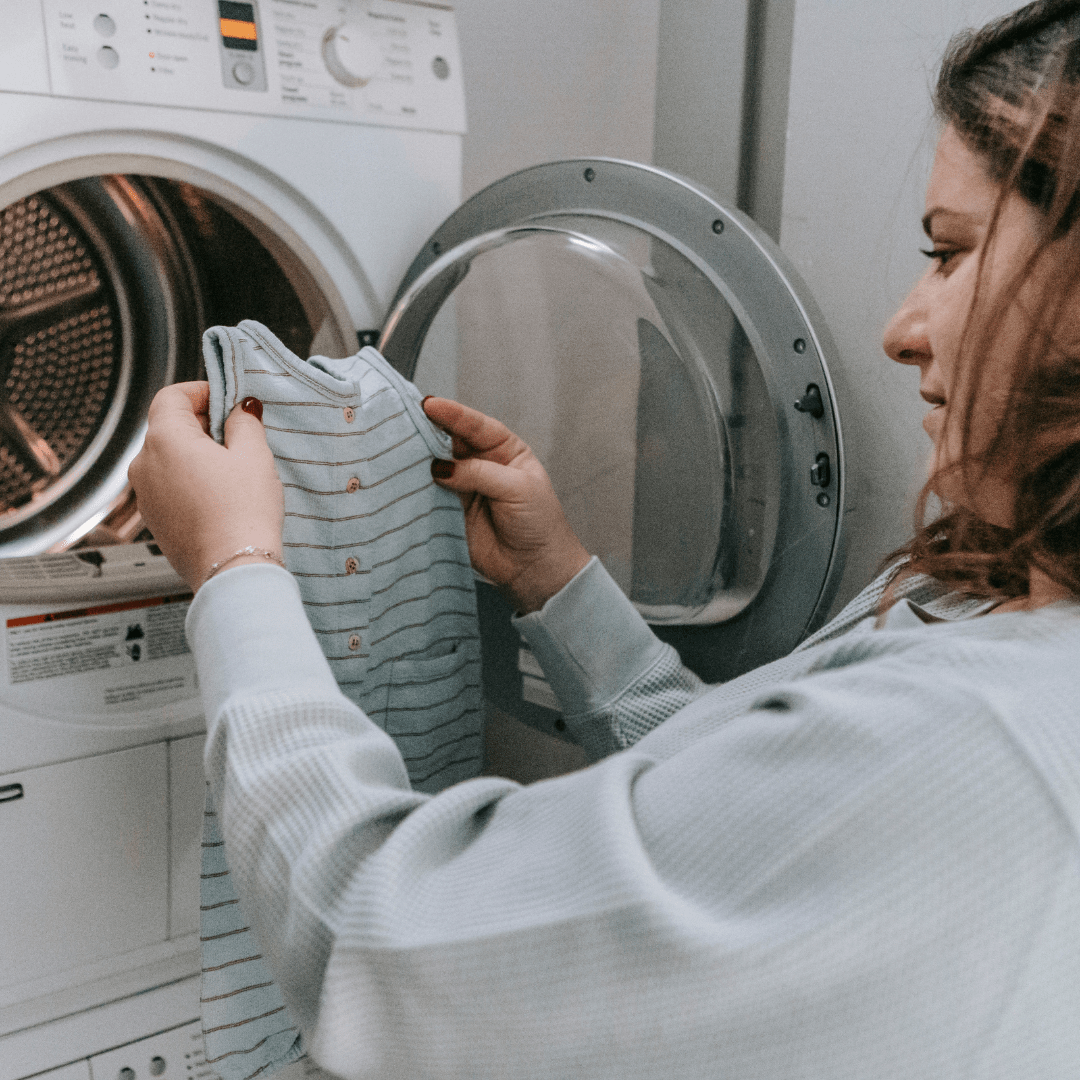

4 Types of Smart and Sustainable Baby Fabrics: Innovations in Comfort and Safety
When it comes to dressing our little ones, comfort and style are always at the top of every parent's list. But today, more and more families are looking beyond softness and cute prints—they're thinking about sustainability too. We know how important it is to choose fabrics that are gentle on sensitive skinand kind to the planet. The good news? You don’t have to compromise. There’s a growing range of smart, eco-friendly materials that do both: keep your baby cozy while helping create a better future for them to grow up in.
At the heart of these fabrics are natural materials like organic cotton, bamboo, linen, and even hemp. Each type of fabric brings special features to the table.
-
Organic cotton is a classic favorite because it’s soft, breathable, and grown without harsh chemicals. That means fewer irritants for babies’ sensitive skin and a gentler footprint on the Earth. Nowadays, in our more eco-conscious world, you’ll find specialty brands that make baby clothes and bedding from organic cotton that are not only environmentally friendly, but also super-soft and gentle on sensitive skin.

-
Bamboo fabric is another superstar when it comes to organic fabrics. It’s naturally moisture-wicking and temperature-regulating, so it helps keep babies cool during the summer heat, but also warm & cozy during those chilly winters. This makes it a great material for baby swaddling blankets. Plus, bamboo has natural anti-bacterial properties, which is a bonus for keeping delicate skin happy.

-
Linen is another natural fiber worth knowing about. Made from flax plants, linen is incredibly breathable, making it a perfect fabric for those warmer months, and gets softer with every wash. It’s also super durable, so those little outfits can be passed down to younger siblings or your friends’ children, which promotes a secondary way to reduce wastage.
-
Then there’s Hemp, which is gaining attention for being one of the most eco-friendly fabrics out there. Hemp grows quickly with little water and no pesticides, and it’s naturally resistant to mold and UV rays, making it a great choice for baby blankets or play mats.

What makes these fabrics “smart” isn’t just their natural origins but how they work with your baby’s body. They breathe, regulate temperature, and reduce irritation without needing synthetic chemicals or treatments. For parents, that means peace of mind knowing their baby is wrapped in something gentle and safe.

Choosing sustainable fabrics is also a meaningful way to care for the planet our little ones will grow up in. It’s about making thoughtful choices that protect both their skin and our lovely Mother Earth.

At the end of the day, it’s all about giving babies the softest, safest start possible, while keeping our world a little greener for their future. Every action makes a difference, so join us in doing your part to protect our planet!
---------------------------------------
👶 FAQ: Smart & Sustainable Baby Fabrics
1. What are the best fabrics for babies with sensitive skin?
Organic cotton and bamboo are ideal—they're ultra-soft, breathable, and free from harmful chemicals and dyes.
2. Why are sustainable fabrics better for baby clothes?
They’re safer for delicate skin and reduce environmental harm by using fewer resources and non-toxic production methods.
3. How does bamboo fabric benefit babies?
Bamboo is naturally hypoallergenic, moisture-wicking, and breathable—making it perfect for regulating your baby's body temperature.
4. Are organic cotton clothes worth the investment?
Yes. Organic cotton is grown without pesticides, making it gentler on both your baby's skin and the planet.
5. How should I wash sustainable baby clothes?
Use a mild, baby-safe detergent and wash in cold water. Line drying helps preserve the fabric's softness and longevity.
Leave a comment
Comments will be approved before showing up.
Also in Latest Blog Posts

Bean of the Month - August 2026
Meet Kylia, our 4‑month‑old August Bean of the Month from sunny Singapore! Don’t miss her mum’s pick of a favourite spot in Singapore, plus her heartfelt advice on navigating motherhood in a bustling city.


Baby Hunger Cues vs. Tired Cues: How to Tell What Your Baby Needs
Newborns cannot tell you whether they need milk, sleep, comfort, or a break from stimulation - but their bodies give clues. This parent-friendly guide explains how to tell the difference between baby hunger cues and tired cues, what to do when the signs overlap, and how to respond with more confidence.

Bean of the Month - June 2026
Meet our April Bean of the Month, Ivy a 5‑month‑old darling from California! Don’t miss how her mom manages family time while caring for each child individually. Dive in for her heartfelt advice and a peek into Ivy’s sweet, playful world.